Cheap room decor ideas work only when the effort matches the room you actually have, not the one you plan to renovate someday.
The projects below range from a five-dollar thrift frame to a twenty-dollar rug layer, and the deciding factor is how much of your Saturday each one consumes.
I learned that the hard way after buying peel-and-stick wallpaper for two walls and watching the pattern swallow a 10-by-12 room whole.
One wall, not two. That is where the list starts.
1. Thrifted and Personal Art
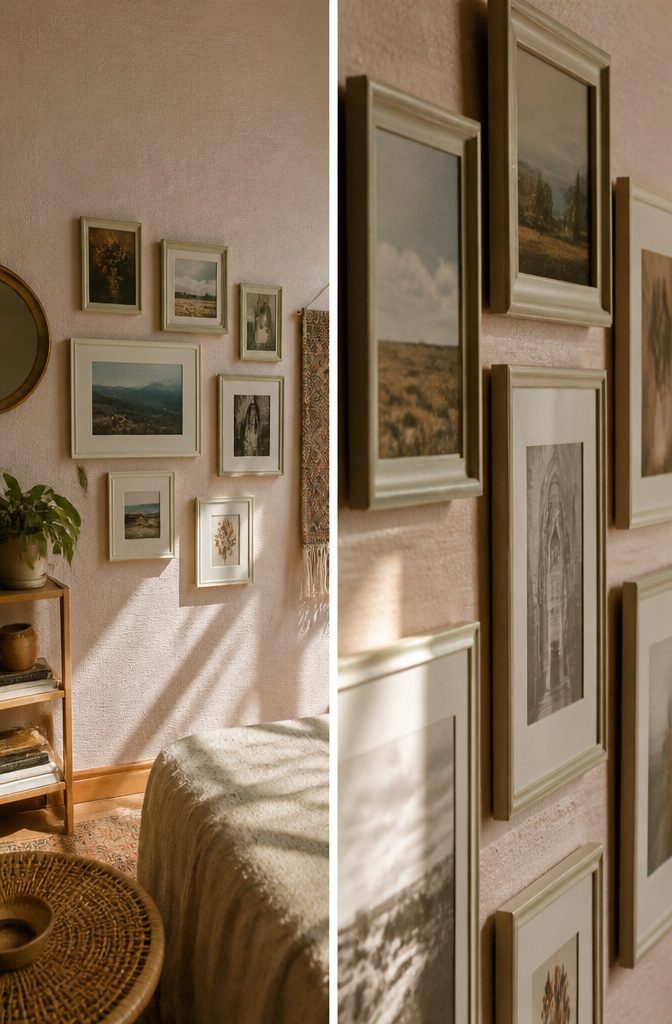
A single framed photo from a thrift store run, hung at eye level where the afternoon light hits it, does more for a room than a blank wall ever will.
Thrifted furniture pieces run $5–$20 in most shops, and the frames themselves are often the find.
Mismatched wood or metal frames, gathered over a few visits, can be unified with a single can of spray paint. Gallery wall supplies stay light at $5–$10: printable art, washi tape, or those same inexpensive frames from a dollar store.
The mix of personal photographs, a woven hanging, and one small mirror adds the texture that makes a space feel occupied rather than staged.
Sentimental pieces, a hand-me-down postcard or a souvenir from a trip you actually took, ground the arrangement in something specific to you. Two ways to arrange: a tight grid for order, or a loose cluster that grows over months.
The grid wins if you rent and want nail holes you can spackle later; the cluster works if you collect slowly and do not mind the wall evolving.

Multiple Sizes: This vintage frame set includes 20 French vintage-style frames, 20 metal S-hooks, and traceless wall hooks, with sizes ranging from 12 x 10 inches to 4 x 4 inches. Each frame draws inspiration from French country style and features delicate decorative details, perfectly accommodating photos or artworks of different sizes to meet diverse display needs

Contemporary Gallery Frame Set – This collection features 9 gallery wall frames that can display 8x10 in. photographs or art prints with the included mat or 11x14 in. photos or art prints without the mat. Each frame is finished in a traditional matte black that complements most modern and contemporary home design.
2. Family Pictures as Decor
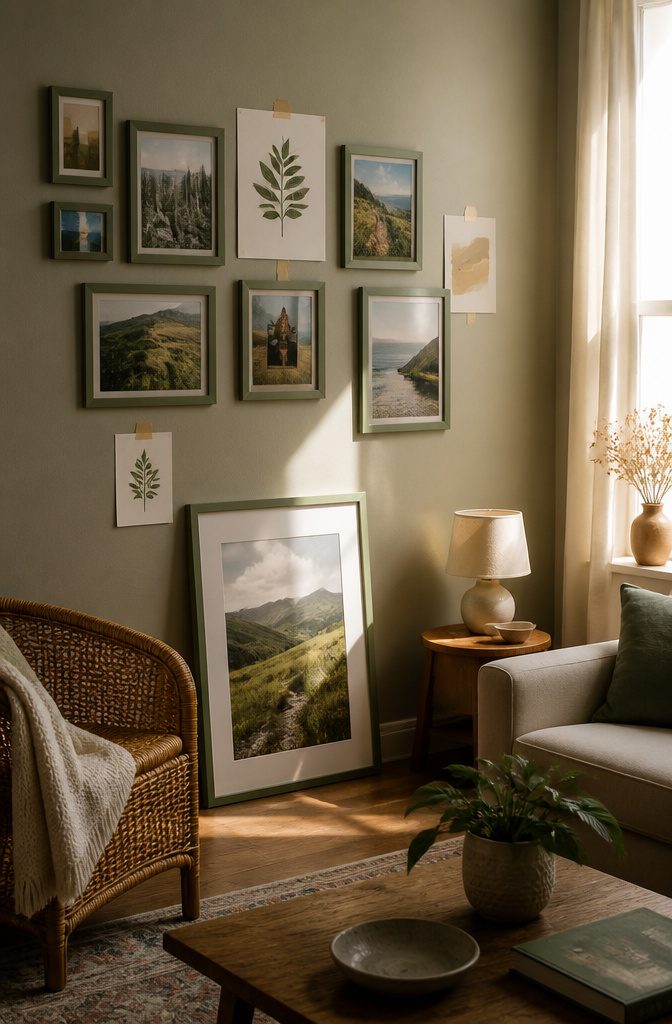
A gallery wall built around family pictures works best when the frames do not match.
Dollar Tree carries inexpensive frames in enough sizes to fill a corner, and a single can of spray paint unifies the finish so the wall reads as intentional, not accidental.
The photos themselves supply the warmth; the surrounding pieces, maybe a free printable quote or a magazine clipping taped alongside, keep the eye moving so the arrangement feels like decor rather than a family shrine.
Command strips or washi tape hold everything in place for renters who cannot put holes in the wall.
Leaning a larger framed portrait against the wall on a shelf or dresser is another damage-free move, and it layers in depth without extra hardware.
The whole project lands between $5 and $10 if you print at home and paint frames you already own. Skip the glass for lightweight pieces; it saves cost and keeps Command strips from slipping.

【SIZE&MATERIAL】17.3In X118.In=14.16sq.ft.Floral wallpaper,upgrading and thickening. Adopt vinyl and the latest removable glue,wallpaper sticks to any smooth, flat ,clean surface,No residue after removal.

Black Wallpaper--Embossing Process- It can effectively reduce the generation of bubbles. The solid color gives the room a more advanced texture, and enhance the ambiance of any room with the stylish and understated matt luxury black finish. This dark textured walls sticker papers complements both modern and traditional decor styles elevates any room instantly

【SIZE&MATERIAL】 16.9In X 118.1In ≈ 13.8sq.ft. Floral wallpaper,upgrading and thickening. The thickened polymer material protective film makes this wallpaper less prone to tearing. Adopt the latest removable glue, strong adhesion and can be easily applied to any smooth and dry surface. No residue after removal.
3. Layered Rugs
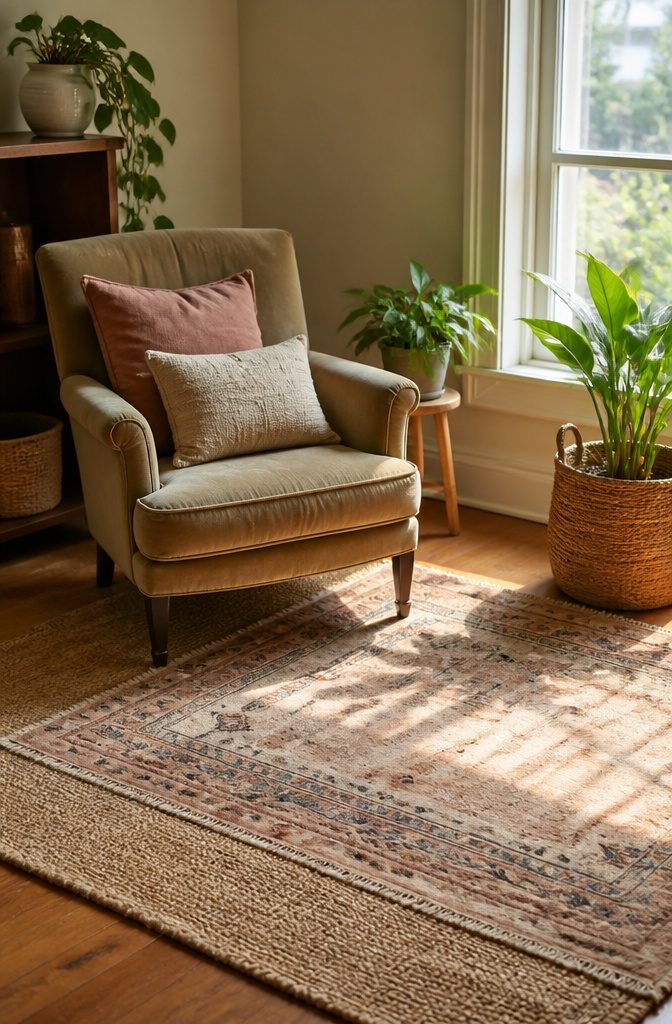
Layering rugs starts with the base: something flat and neutral, like a low-pile jute or a simple cotton weave, then a smaller rug on top with more texture, a pattern, or both.
The contrast between the two is what gives a room that lived-in warmth without requiring new furniture or paint.
A flat base keeps costs down, since the top layer does the visual work and can be swapped out when the mood changes.
The same logic works upward.
Throw blankets and accent cushions in soft tones or earthy colors carry the texture story onto beds and chairs, and they land in the $15–$20 range at places like IKEA or even the home aisle of a local supermarket.
One layered corner, floor to seating, reads intentional rather than accumulated, and the whole setup can shift with the seasons for the cost of a few new cushions.


DAMAGE-FREE PICTURE HANGERS: Includes 12 pairs (24 strips) of White Command Medium (10lb) and 16 pairs (32 strips) of White Command Large (15lb) Picture Hanging Strips, unique hassle-free wall hangers for hanging pictures without nails or damage

HANGS UP TO 19 ITEMS: One Command Variety Pack includes six small picture hanging strips, four large picture hanging strips, three medium utility hooks, two large utility hooks, three small utility hooks, six small wire hooks and 20 strips
4. Sustainable Decor Choices
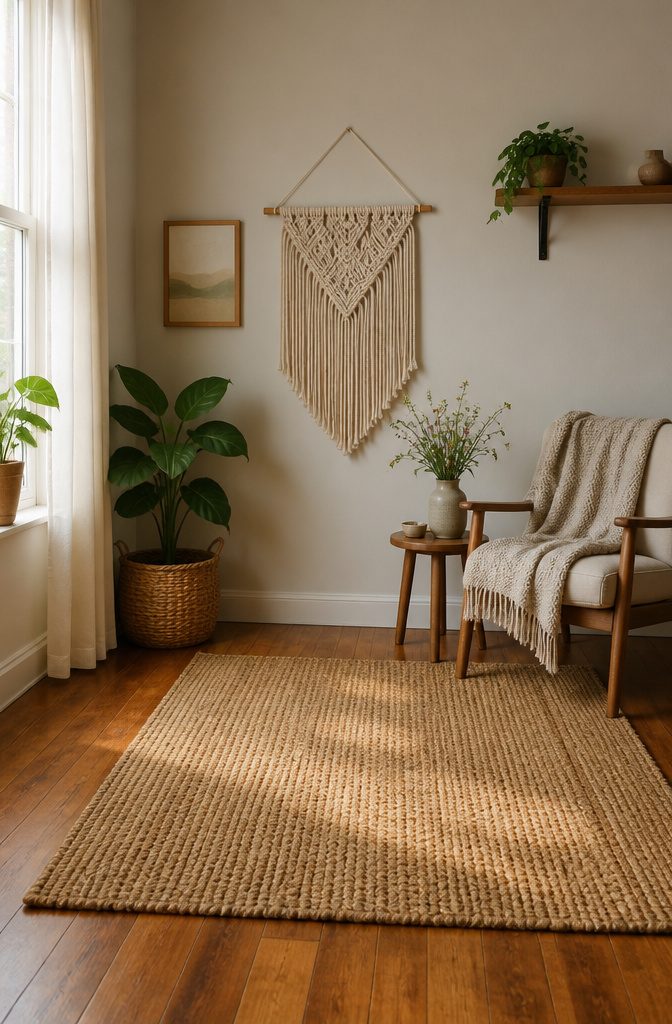
Macramé wall hangings and handwoven rugs bring texture into a room without the factory markup, and the cotton or jute they use ages better than synthetic backing that pills inside a year.
A piece made within fifty miles of where you live skips the shipping carton and the fuel, and the price often lands lower because the maker is not paying for international freight and warehouse storage.
The Scandinavian look these pieces carry, that pale-wood and soft-fiber calm, works in rented rooms as easily as owned ones.
Nothing needs mounting hardware heavier than a single nail. A local vase in glazed stoneware or raw clay costs about what a mass-market glass import does, and when the style shifts you have an object worth gifting instead of binning.
What stopped me for a while was assuming "eco-friendly" meant a surcharge. The opposite tends to hold for decor you handle yourself: less packaging, no brand markup, materials that outlast trend cycles.
The mellow palette keeps working even when you move or repaint. That is where the saving lives, in not replacing the thing every two years.

Set of 2 Perfect Size Rugs with Decorative Fringes: The pack contains 2 rugs measuring 22 x 34 inches with 3.5-inch fringes on both ends for added texture and visual interest in small spaces like entryways, bedrooms, dorms, bathroom, and nurseries.

Rug measures 22 x 60" (approximately 0.5" thick), made of durable 100% Jute, a shiny vegetable fiber spun into coarse threads.
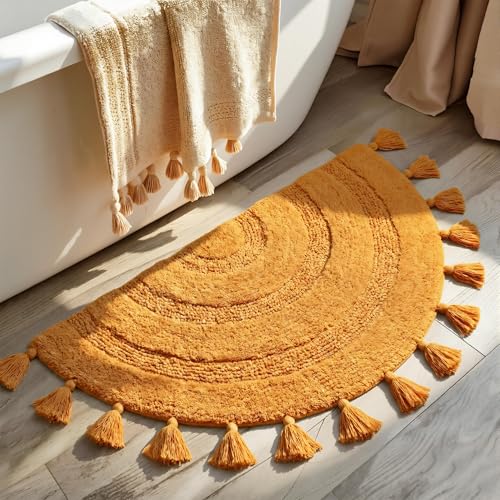
HAND CROCHETED HALF ROUND BOHO RUGS -This boho bath mat carefully handmade with strong natural cotton fibers.This instantly adds beauty, luxury, and visual interest to any space.The bohemian bath mat warmly envelops and soothes bare feet, offering a cozy and reassuring feeling as you step out of the shower.Our non-slip bath mats are not only safe.But also very suitable for gripping all kinds of floors.The rug pads also help avoid scratches on the floor from daily life.
5. Upcycled Furniture
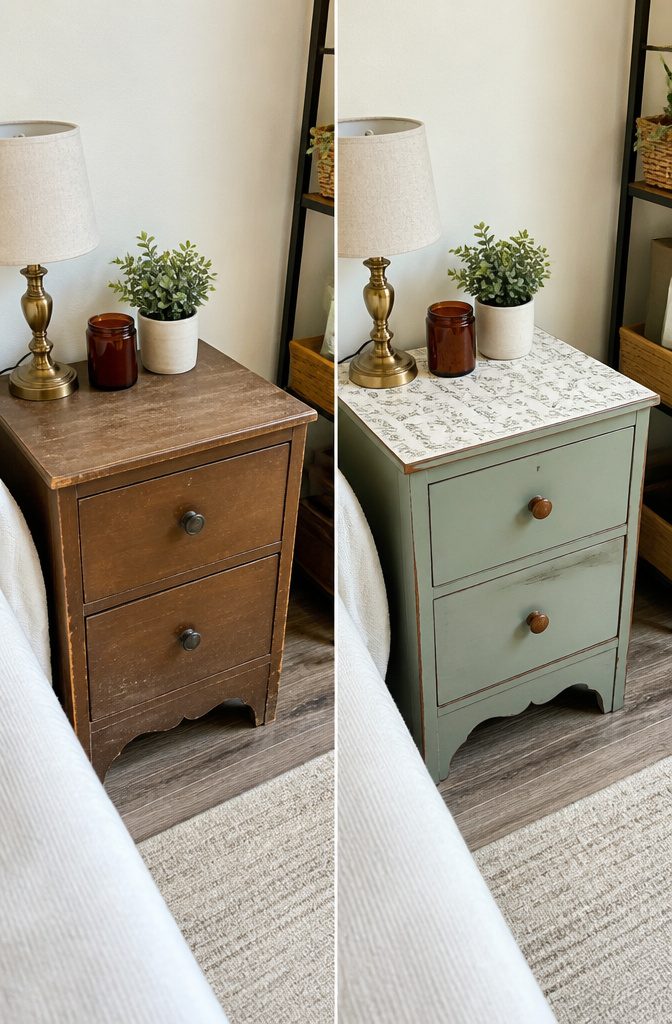
The thrift store down the road from me has a back corner where small furniture goes to wait: nightstands with water-ringed tops, three-legged stools, mirrors missing their hangers.
Most of it runs $5 to $20, and the damage is why it costs so little.
A $12 nightstand with a gouged side panel still stands square. That gouge disappears under two coats of spray paint and a sheet of contact paper cut to fit the top.
Spray paint works fastest on legs and frames.
Contact paper covers larger surfaces the brush would streak. Either way, the piece becomes something no catalog sells, which is the real point of cheap room decor ideas that do not look cheap.
The sustainability angle is pleasant, but the personalizing is what matters: you chose the color, you lived with the flaw, you made it invisible.
Small pieces reward this most. A nightstand fits in the backseat.
A mirror paints in an hour. Scale down your ambition to what you can finish before dinner, and the project actually finishes.

Boho & Handmade Design:Made of 100% natural cotton rope with exquisite handcrafted macrame, this round hanging mirror adds a romantic bohemian flair to any space, perfect for rustic, farmhouse, Scandinavian and modern home styles.
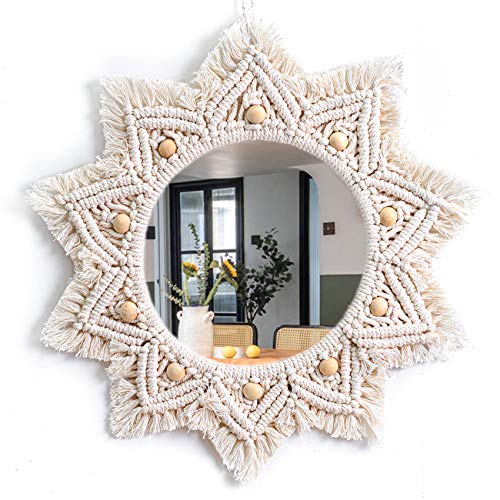
APPLICATION: Perfect addition to any wall in your home! Suitable for Scandinavian, rustic and Boho.This Decorative Mirror perfect wall decorations in living room ,bedroom apartment ,wedding backdrop.

ACRYLIC MIRROR - Decorating mirror with macrame fringe will draw the eye and make your room more elegant.Can be placed alone or stacked with others, it goes great with woven mirror
6. Accent Walls
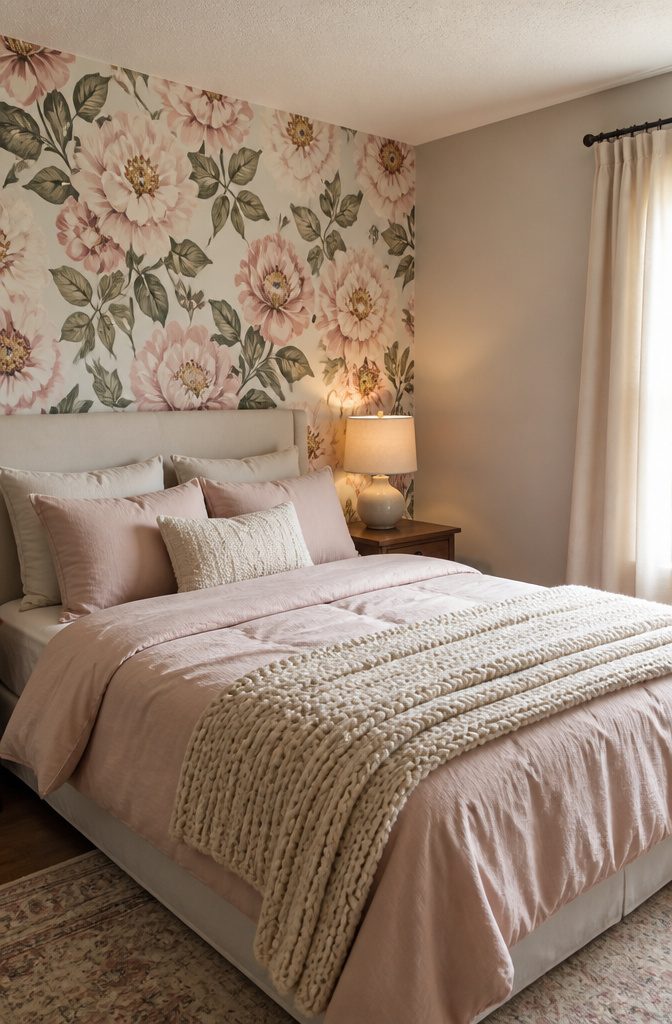
Peel-and-stick wallpaper turned my first apartment bedroom from a beige box into something that felt like mine, and the whole roll cost less than a takeout pizza.
A single accent wall behind the bed or desk does the heavy lifting: $10–$20 gets you enough removable paper to cover that focal point, with floral decals, geometric shapes, or celestial stickers as alternatives if full sheets feel like too much commitment.
Paint works the same way, one wall in a soft blush pink or mint green warming the room without overpowering it.
The trick is stopping at one wall. I learned that the hard way after papering two walls in a 10-by-12 room and watching the pattern swallow the space whole.
Renter-friendly means the deposit comes back intact, and when the mood shifts, the paper peels off in twenty minutes.
Pastel tones read as intentional rather than temporary, but even a bold print on a single wall stays grounded by the surrounding neutral space.
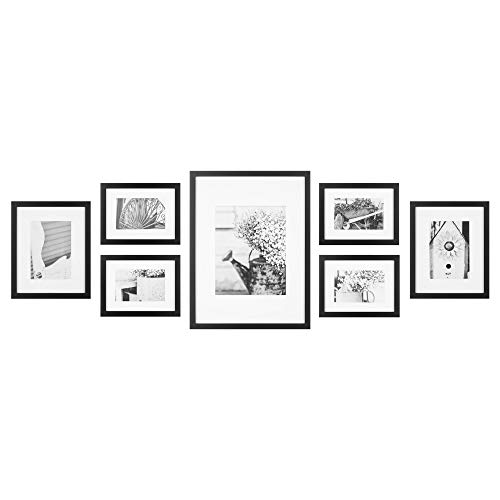
SEVEN BLACK DECORATIVE FRAMES: Each equipped with removable classic white mats. These frames provide a timeless elegance to your gallery wall, allowing you to showcase your favorite photos, artwork, or memories in style. With their versatile design, you can easily switch out the mats to suit different artwork sizes or preferences, ensuring your display remains fresh and personalized, whether you're looking to create a cohesive gallery wall or add a touch of sophistication to any room

Perfect Gallery Wall Set: Create a feature wall that your guests will love. The Kate and Laurel Adlynn frame collection allows you to design a dazzling gallery wall display using the included hanging kit or create your own look

Contemporary Gallery Frame Set – This collection features gallery wall frames that can display photographs or art prints with the included art prints. Each frame is finished in a traditional color that complements almost every décor style.
7. Lighting That Changes Everything
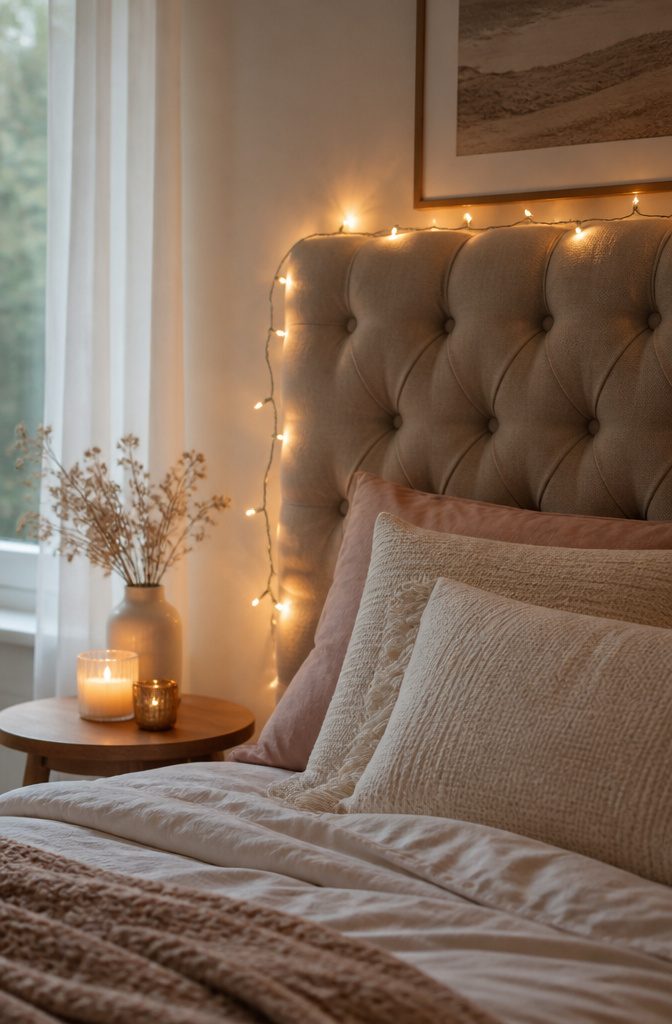
Soft lighting shifts a room faster than anything else on this list.
A strand of warm-white fairy lights, wrapped around a headboard or pressed along a window frame, runs $8–$15 and turns a plain wall into something you actually want to look at after dark.
LED strips work the same trick behind a desk or bed frame; one source puts the strip cost at $25, which is still cheap room decor ideas territory for the change it delivers.
Candles or incense fill the gap where cords won’t reach, budgeted at $5–$20 depending on how many you scatter.
Skip the color-changing strips unless you already know you want them; warm white wins for a room that feels lived-in rather than staged.

Unique Design Wallpaper: Elegant peel-and-stick wallpaper featuring a classic beige design with floral patterns, adorned with branches and botanical elements. It perfectly blends vintage charm with modern rustic flair, making it an ideal choice for furniture, shelves, and accent walls, adding a touch of pastoral charm and natural elegance to any space

[ECO-CONSCIOUS LIVING] - We believe green is a beautiful foundation for any home. Crafted from renewable, plant-based materials and made through recyclable, eco-friendly processes, this green wallpaper brings a fresh, nature-inspired feel to your space. Free from harmful additives, it helps keep indoor air cleaner and healthier for everyday living. More than just decoration, it creates a calm, protective backdrop—perfect for supporting a more comfortable, wellness-focused home

EASY ADJUSTMENT - E-Z Hang provides ‘slip’ allowing you to float your wallpaper into position without having to peel and re-stick, simplifying pattern matching.
8. Gallery Walls
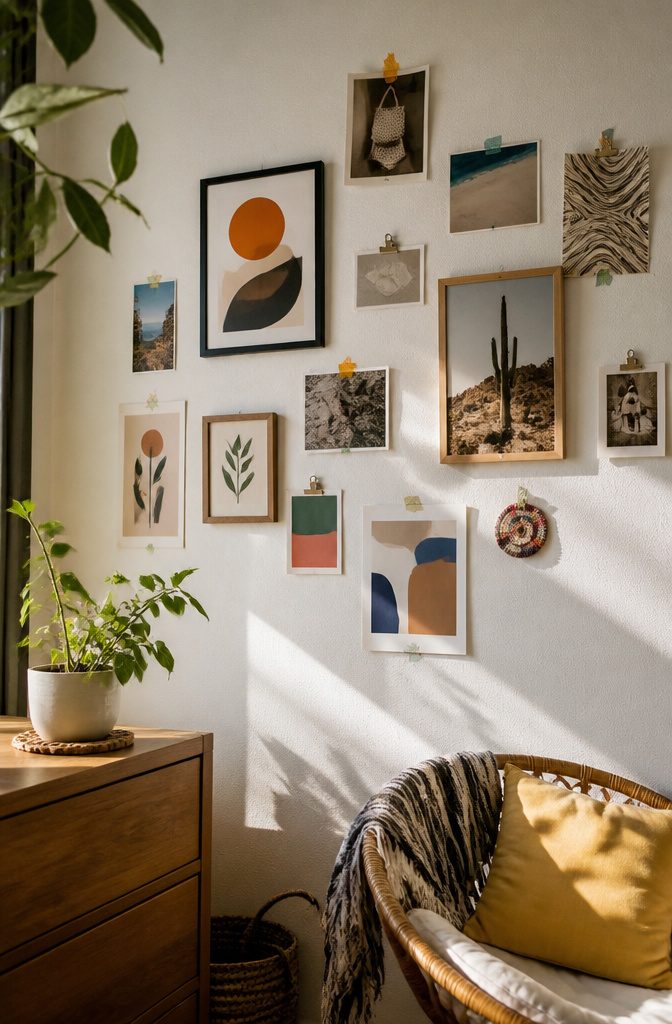
A gallery wall lives or dies on the mix, not the money behind it. Printable art, a few clipped magazine pages, and one actual photograph hung together read as intentional; a grid of matching frames reads as a dorm move-in.
The passages put gallery wall supplies at $5–$10, which covers a pack of washi tape or a handful of Dollar Tree frames and little else.
That is the point. Spray paint in a single color unifies frames that cost a dollar each, and the paint itself is probably already in the garage from some other afternoon project.
The family pictures section handles the sentimental grid of cousins and vacations. This is different: a postcard, a line drawing printed on office paper, a fabric scrap pinned up as texture.
The content matters less than the eye moving across it. I have seen walls where a single oversized page from a thrifted botanical book anchors six smaller pieces, and the arrangement looks collected over years because the materials actually were.
Washi tape lets you shift things without patching drywall, which matters in a rental. Frames win if you want the structure.
Either way, the cost stays under the price of one framed poster from a big-box store, and the result looks like you stopped in the middle of a walk and hung what caught you.

TotalMount headphone hangers enable you to mount your headphones almost anywhere including on a wall, desk, or PC case.

MAXIMUM FRAME SIZE 8 X 10 INCHES: One package includes 18 pairs (36 strips total) of the Command Small Picture Hanging Strips; four wall adhesive strip pairs hold 4 pounds; maximum frame of 8 x 10 inches

INCLUDES – 64 poster strips; Hangs up to 32 posters or signs
9. Plants Real and Faux
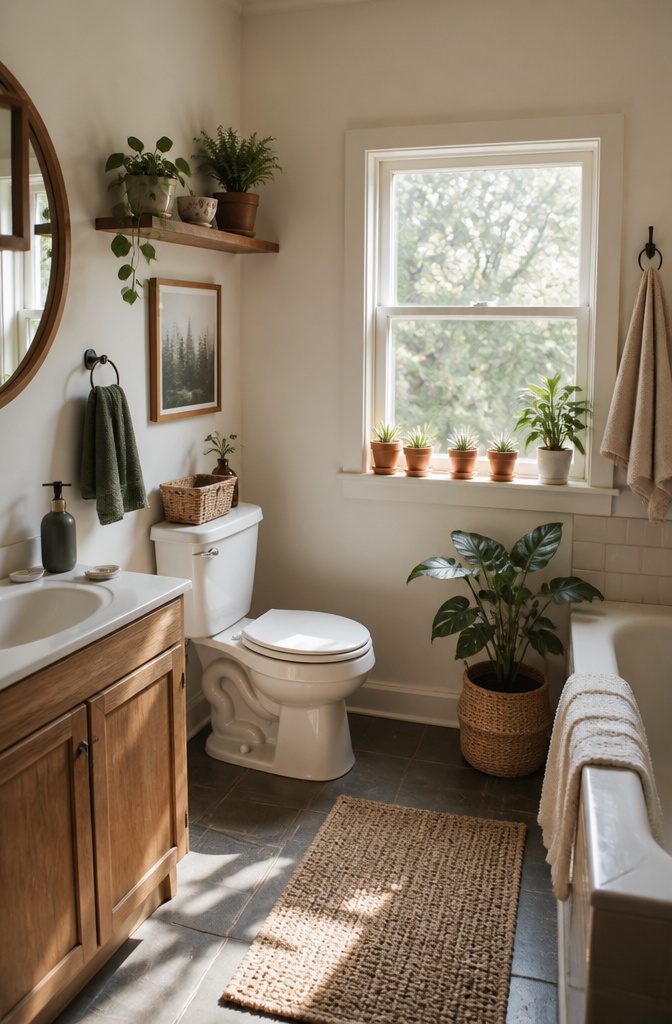
Greenery changes a room faster than almost anything else, and the budget stays low. Small succulents, hanging vines, and mini planters run $5 to $15, which fits the whole section’s budget without stress.
I keep a small faux pothos on a bathroom shelf where the window is basically painted shut, and the answer is obvious: no light, no problem.
Real plants need a spot with actual sun and a willingness to water them. Faux skips both.
The sources split right down the middle on this, and the choice is yours based on what morning routine you can actually keep. A thrifted teacup or jar underneath costs next to nothing and beats the plastic pot every time.

CONTENTS: One (1) COTTON CRAFT Classic Braided Jute Handwoven Reversible Area Rug in a Labyrinth Racetrack Pattern. It measures 22 inches X 34 inches. The height of the rug...
10. DIY Projects
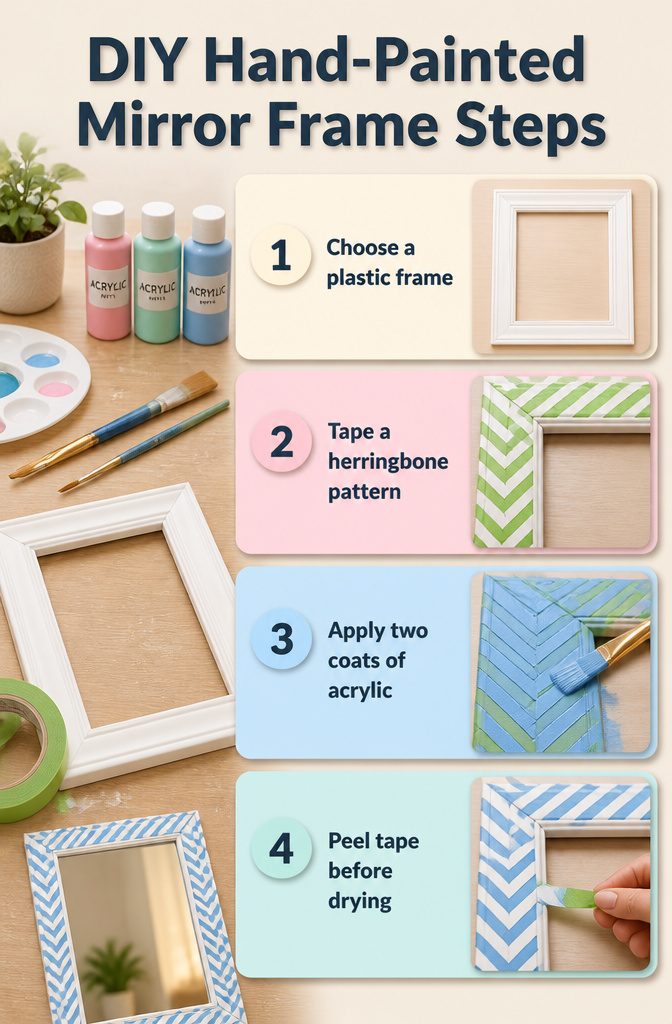
A hand-painted mirror frame is the project that eats an afternoon and pays back every time you pass it. I like Dollar Tree plastic frames for this, the kind with a flat border wide enough to hold tape.
Frog tape a herringbone or grid, then hit it with two coats of acrylic and peel before the second coat is fully dry.
The materials run about $10 total, and the result reads like something that traveled from a boutique rather than the kitchen table.
Display pieces land in the same cheap zone. A thrifted tray at $5 plus white spray paint becomes the spot where perfume bottles live; a $25 floating ledge from the hardware store and a stack of free printed quotes finish the wall.
The sources disagree on whether to cluster or spread, and after trying both I land on this: one mirror, one tray, one vertical element.
Three items max per wall keeps it from looking like you tried to use everything at once.
Furniture paint works the same way. A $10 nightstand from the curb, sanded just enough to lose the gloss, then two coats of grey or white, changes a room’s whole mood.
The catch is patience: paint the drawer fronts off the piece, or the glides stick for weeks.

Bohemian Style Claw Clip Organizer: This hanging wall hair clip organizer combines bohemian woven design and easy-hanging functionality. You can mount it in seconds on bedroom walls, doors, or bathrooms. Neatly organize claw clips, hair clips, and accessories while adding a free-spirited decorative touch.

Hand-Wrapped Rattan : The frame is elegantly wrapped in a layer of thin rattan for an airy, costal aesthetic

Product Specifications & Dimensions: This 4-piece macrame wall hanging set includes 2 large (11.8×11.8 inches) and 2 small (9.84×9.84 inches), weighing 1.65 lbs in total. Made of premium woven cotton rope with smooth mirrors(There is a thin film on the mirror that needs to be peeled off before use.), it is lightweight and durable, enhancing wall layering and space brightness.
11. Floating Shelves
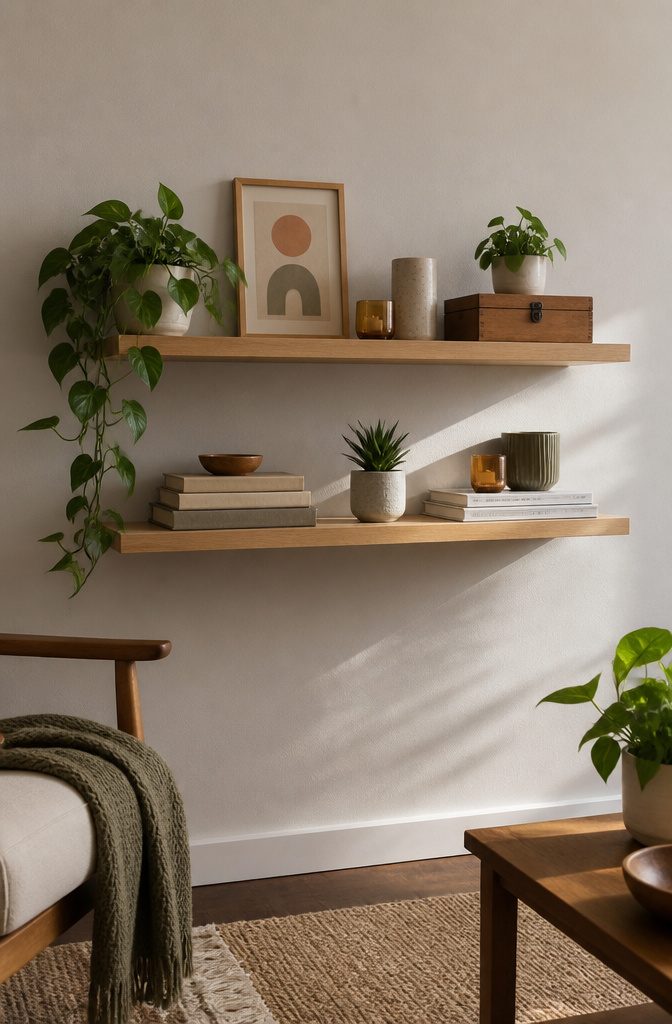
Wall space that sits empty is space doing nothing.
Floating shelves turn that vertical real estate into a stage for whatever you already own: books stacked spine-in for a neutral block of color, candles grouped by height, a single faux plant trailing over the edge.
The shelf itself runs about $7 at discount stores, and installation needs nothing fancier than a level and a stud finder most renters already have in a junk drawer.
What sits on the shelf matters more than the shelf itself.
A wooden box from a thrift haul works as a riser to lift one item above another. An old candle jar, label soaked off, holds cotton swabs or dried stems.
The display budget stays tight: $5 to $25 covers the whole arrangement, not each piece. Curated beats cluttered every time, so leave breathing room between objects.
Kitchen shelves carry the same logic into another room.
A row of matching jars, a small potted herb, a plate leaned against the backsplash: the look reads intentional because the palette is narrow. Three colors, two materials, done.
12. Mirrors for Space and Light
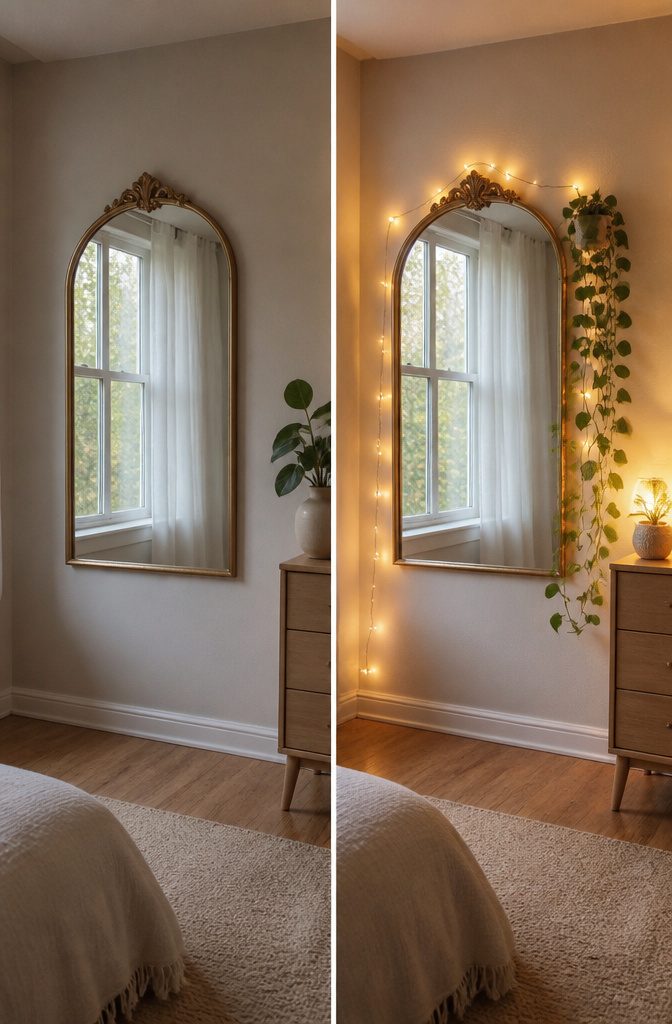
A basic mirror hung opposite a window bounces daylight back into the room and tricks the eye into seeing depth that is not really there.
The wall behind the glass seems to step back, and the whole space reads larger without moving a single piece of furniture.
The real draw is how little this costs.
A thrifted mirror runs about $5, and another $5 covers peel-and-stick flowers or a string of LED lights to frame it. That $10 total lands you a piece that functions like architecture, not just decor.
Placement matters more than size. Across from the window is the move that pays off; light hits the glass and scatters into corners that usually stay dim.
Skip the spot next to the window, where the mirror just repeats what you already see. The opposite wall does the work.
If the frame looks dated, paint or decals fix it in an afternoon.
Vines, a painted border, or fairy lights turn the thrift find into something that reads intentional rather than rescued. The light does the heavy lifting either way.
Why a Mood Board Saves Money
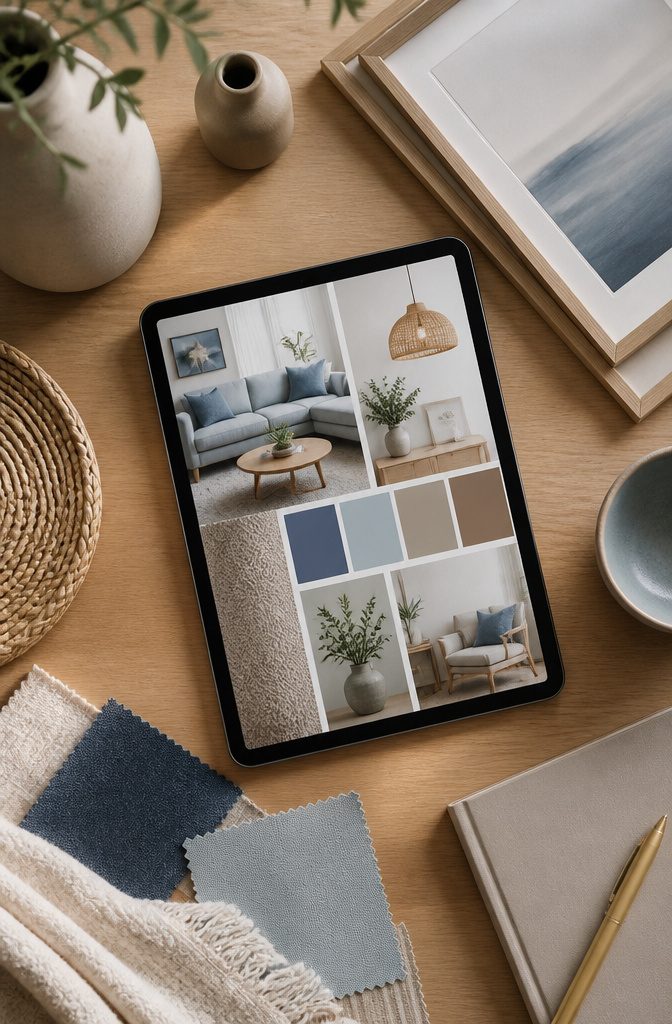
A free mood board built on Pinterest or Canva costs nothing upfront and pays off the first time you walk past a clearance rack without stopping.
I learned this the hard way after buying three throw pillows in colors that looked right in the store and completely wrong against my walls.
The board fixes that drift. You pin rooms you actually want to live in, pull out the repeating colors, note whether the warmth comes from wood or brass or soft fabric, and suddenly you have a filter.
A solid aesthetic vision keeps impulse buys from becoming decor mistakes. The alternative is a shelf of almost-right pieces that never quite add up to a room.
Mixing High and Low
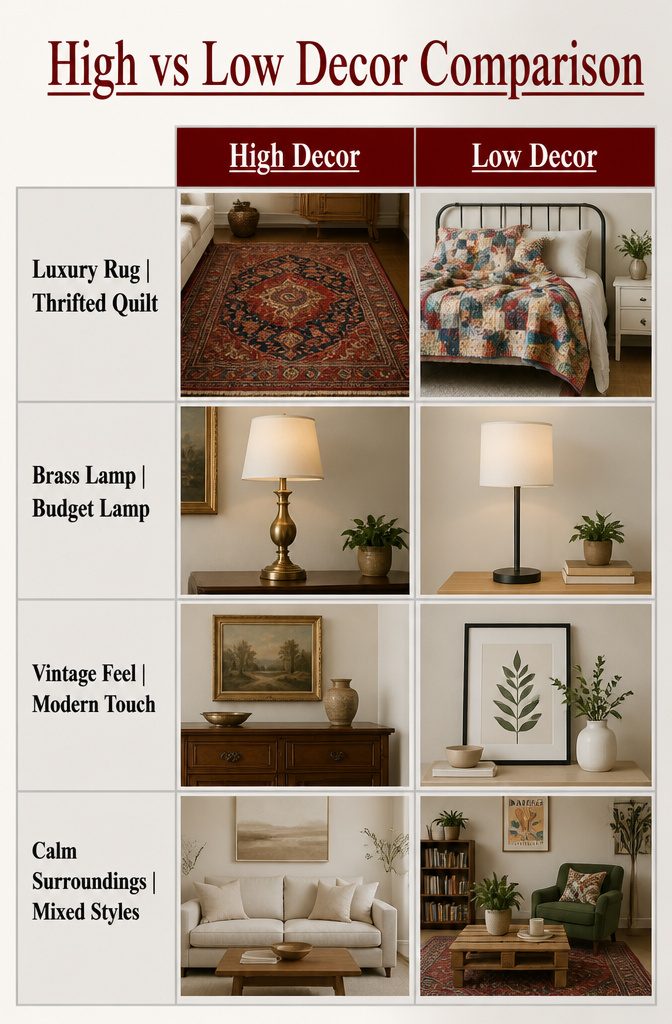
A brass lamp from a sidewalk giveaway looks expensive because it already is.
The trick is placing it beside something that cost two dollars and letting the cheap piece borrow the glow. Thrifted ceramic beside cast iron.
A hand-me-down quilt draped over a basic metal bed frame. The eye registers the mix, not the math.
I learned this watching a friend arrange her living room. She owns one splurge, a vintage Turkish rug, and built the whole room around it with Ikea frames, dollar-store candles, and a free pallet coffee table she sanded smooth.
The rug did the heavy lifting. Everything else just had to stay quiet.
One expensive-looking anchor per room is usually enough. After that, cheap room decor ideas work harder when they are simple: solid colors, clean lines, nothing trying to compete.
Two statement pieces in one space create noise. One plus calm surroundings creates the illusion that every choice was intentional.
Layering Textures Right
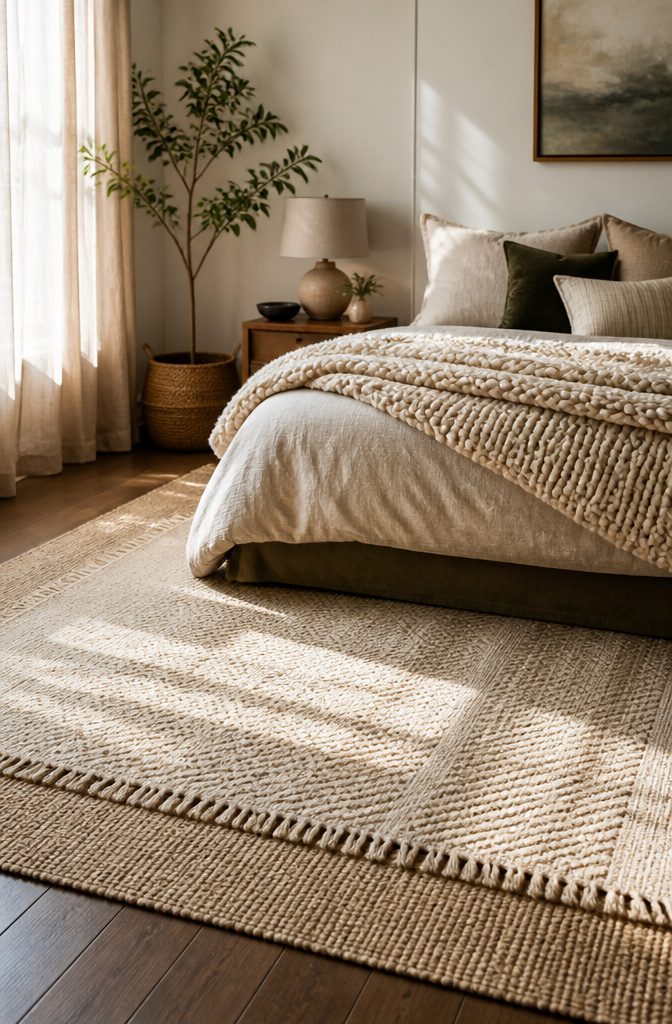
A flat weave layered over a low-pile rug adds depth without the cost of a single statement piece.
The base covers the floor, the top one introduces pattern or a warmer tone, and the gap between them catches light in a way that reads as intentional. I have seen rooms where this alone made the space feel finished.
Cushions and throws do the same job vertically. A chunky knit folded at the foot of a bed, a linen cover mixed with cotton, a velvet cushion against a woven one.
The contrast is what matters, not the price of any single item. IKEA runs about $15–$20 for pieces that mix well, and local supermarkets sometimes carry seasonal throws that work as the textural wildcard.
Wood, fabric, and metal together build warmth faster than any one material repeated.
A wooden stool beside a chair with a throw, a metal lamp near a fabric shade. The mix reads as collected rather than decorated, which is the look most of these rooms are after.
Budget Breakdown
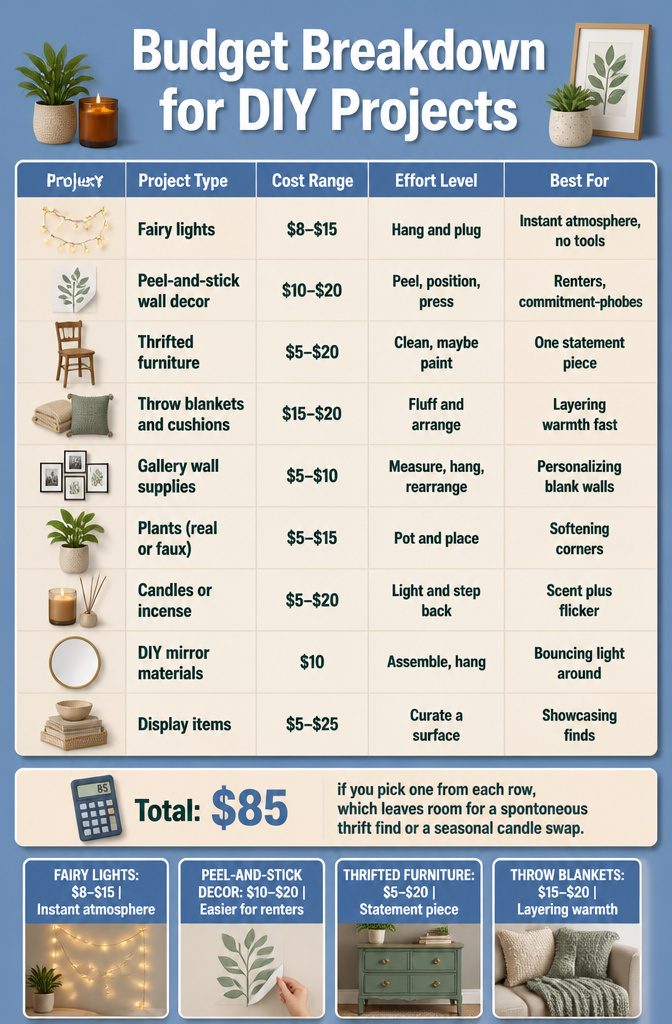
Most afternoons, the goal is one project that actually finishes before dinner. The numbers below come from what I have spent or seen spent across a dozen room refreshes, organized by how hands-on each option gets.
| Project Type | Cost Range | Effort Level | Best For |
|---|---|---|---|
| Fairy lights | $8–$15 | Hang and plug | Instant atmosphere, no tools |
| Peel-and-stick wall decor | $10–$20 | Peel, position, press | Renters, commitment-phobes |
| Thrifted furniture | $5–$20 | Clean, maybe paint | One statement piece |
| Throw blankets and cushions | $15–$20 | Fluff and arrange | Layering warmth fast |
| Gallery wall supplies | $5–$10 | Measure, hang, rearrange | Personalizing blank walls |
| Plants (real or faux) | $5–$15 | Pot and place | Softening corners |
| Candles or incense | $5–$20 | Light and step back | Scent plus flicker |
| DIY mirror materials | $10 | Assemble, hang | Bouncing light around |
| Display items | $5–$25 | Curate a surface | Showcasing finds |
The total lands around $85 if you pick one from each row, which leaves room for a spontaneous thrift find or a seasonal candle swap. Two categories will carry a small room; three start to look intentional.
Frequently Asked Questions
How can I decorate my room on a low budget?
Focus on small, high-impact changes that cost under $20 each: thrifted furniture at $5–$20, peel-and-stick wallpaper for an accent wall at $10–$20, fairy lights at $8–$15, and gallery wall supplies at $5–$10.
Rearranging what you already own costs nothing and often opens up the room better than new purchases.
What are some DIY room decor ideas?
Paint a thrifted mirror frame with Frog tape and acrylic for about $10 total, or upcycle a $5–$12 nightstand with spray paint and contact paper.
A hand-painted tray from the dollar store becomes a display piece for perfume bottles or jewelry. The article also covers building a gallery wall with printable art, washi tape, and mismatched frames unified by spray paint.
Can I make a small room look good with cheap decor?
Yes. Hang a mirror opposite a window to bounce daylight deeper into the room and create the illusion of depth; a thrifted mirror plus framing materials runs about $10.
Use light, pastel tones on a single accent wall rather than wrapping the whole room, and keep furniture low-profile so the eye travels across open floor space.